

Need Any Help Schedule A Consultation

Available 24/7
We are pleased to take up queries at any hour of the day.

Early response
we come up with professional suggestion at the earliest.

Professional Support
Qualified professionals personally deal with individual queries.

45 Years of Excellence
What we bring to you
Audit & Assurance
We provide the assurance services in compliance with the ethical and professional standards.
Digital Automation and Transformation
We assist our clients in transforming their human-led-computerised processes into automated one
Forensic and Investigation Services
We have a dedicated team of FAFD qualified professionals
Startup Advisory
We are eager to contribute to the start-up India campaign by assisting young entrepreneurs in completing legal and regulatory compliances.
Accounting & Business Support
We are helping our clients to outsource their finance department to us. Availing professional guidance at administrative level
International Tax & Cross border Taxation
We assist businesses to complete their international transactions without any hustle and complexities.
Setting up & Registration
Our team comprises of company secretaries to assist new companies in completing their registration and filing compliances.
Global Presence

Why us?

Why India ?

Management



Raj
Manager

Monica
Entrepreneur

Megan Scott
CEO, Keen IT Solution

Wendy Gray
CEO, Keen IT Solution




Meet Our Partners

Mukesh Goel
B.com, FCA, FAFD, DISA(ICAI)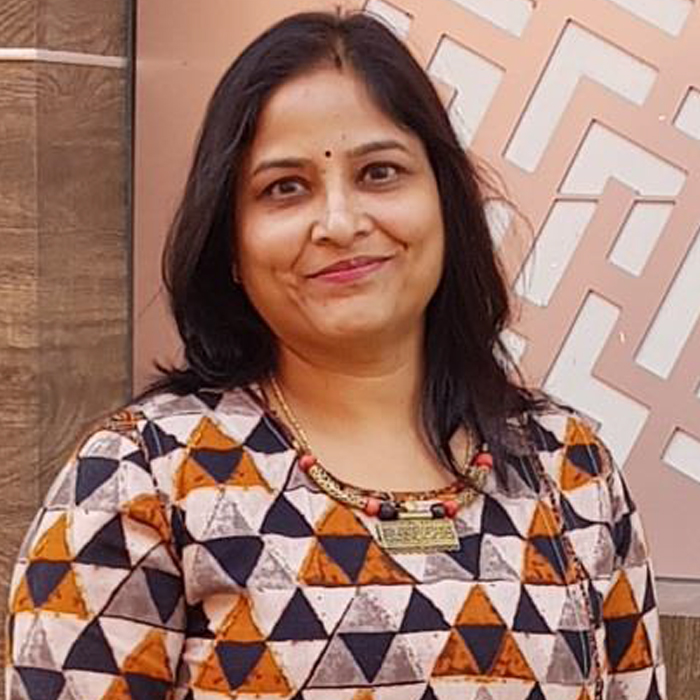
Mrs. Monika Goel
B.com, M.com, FCA
Mr. Suresh Gupta
B. Sc., FCA
Read Latest Updates

Under Expert Guidance.
There are various official procedures which are required to be undertaken at the time of registration of new company...

Taxpayers Want in 2017 ?
The union budget 2017 will be declared by the finance Minister as on 1st February, 2017. There are lots of expectations of a tax payer in relation to a union budget 2017 ...
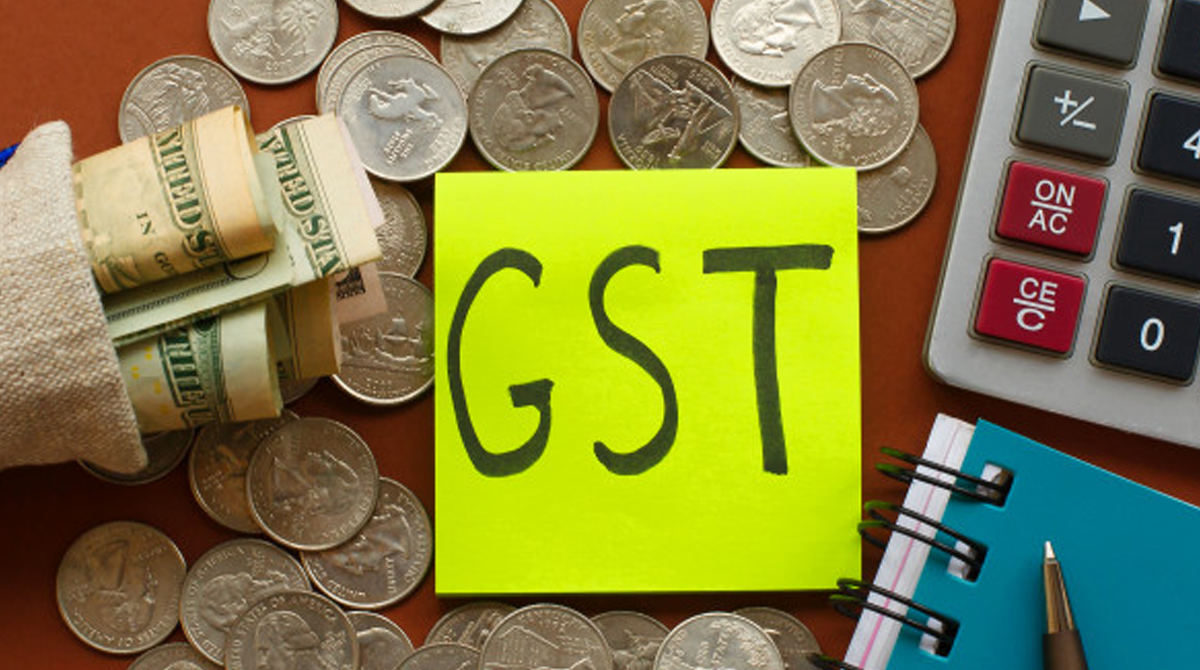
Make Any Difference ?
GST is an indirect tax that is levied on the consumption, sale and manufacture of goods and services. With the introduction of GST, the present indirect taxes are replaced...

Effective Accounts Receivable Management
Cash flow management is important for long term survival of business. Almost every 3 out of 5 businesses suffer from cash flow problems which often leads to shutting down...